

If you’re researching the best MPP programs in 2026, you’re probably not just thinking about school rankings — you’re thinking about impact.
You want to influence policy, shape institutions, and create lasting change. However, here’s the hard truth: even though MPP programs are growing in popularity, most applicants are not presenting themselves the right way — and that’s why they get passed over.
This guide covers what you actually need to know, including:
- The top MPP programs (based on reputation, data, and outcomes)
- How to choose the right policy school for your goals
- Why your current resume might be killing your chances
- What makes a strong statement of purpose for MPP
- How to tailor your application strategy to stand out
Let’s get into it.
The best Master of Public Policy (MPP) programs in 2026 include Harvard Kennedy School, UC Berkeley Goldman, University of Chicago Harris, Georgetown McCourt, and University of Michigan Ford. These schools are recognized for their academic rigor, policy impact, and post-graduation career outcomes.
Top-Ranked MPP Programs in 2026: Outcomes, Reach, and Rigor
MPP Program Rankings: What They Actually Measure
When people ask about the best public policy programs, they’re usually thinking about name recognition — but what really matters are three things: alumni networks, curriculum alignment, and post-grad outcomes.
Here are some of the top MPP programs based on reputation, faculty influence, and real-world placement. Many of the programs listed below are consistently ranked among the best public affairs schools by U.S. News & World Report — one of the most recognized sources for graduate program rankings. In addition to U.S. News & World Report, the QS World University Rankings by Subject 2025 offers a global perspective on top institutions for social policy and administration. This ranking evaluates universities worldwide based on academic reputation, employer reputation, and research impact, providing a comprehensive view of leading programs in public policy. While rankings aren’t everything, they do reflect long-term reputation, faculty influence, and employer perception across sectors. While MPP program rankings are a useful benchmark, they should be paired with research on curriculum fit and long-term outcomes:
Best MPP Programs to Watch in 2026
1. Harvard Kennedy School (HKS)
- Location: Cambridge, MA
- Known For: Global policy, public leadership, economic development
- Why It Stands Out: Prestigious network, access to heads of state and global institutions, customizable MPP tracks\
- 📊 Thinking of applying to HKS? Make sure you know what you’re up against — here’s my full breakdown of the Harvard MPP acceptance rate in 2025.
2. University of California, Berkeley – Goldman School of Public Policy
- Location: Berkeley, CA
- Known For: Social equity, education policy, data-driven governance
- Why It Stands Out: Small class sizes, strong quantitative training, location in policy-rich California
3. University of Chicago – Harris School of Public Policy
- Location: Chicago, IL
- Known For: Policy analysis, behavioral insights, rigorous economic modeling
- Why It Stands Out: Emphasis on data and quant skills, strong placement in think tanks and consultancies
4. Georgetown McCourt School of Public Policy
- Location: Washington, D.C.
- Known For: U.S. federal policy, health and social policy, ethical governance
- Why It Stands Out: Location gives direct access to policy hubs, bipartisan approach
5. University of Michigan – Ford School of Public Policy
- Location: Ann Arbor, MI
- Known For: Domestic policy, local government innovation, public finance
- Why It Stands Out: Focus on applied learning, strong community engagement ethos
If you’re curious how competitive these top MPP programs really are, here’s a quick look at acceptance rates and class sizes for some of the most well-known schools.
| University & Program | Applicants | Accepted | Acceptance Rate | Enrolled | Class Size |
|---|---|---|---|---|---|
| Harvard Kennedy School (HKS) – MPP | 1,601 | 398 | 25% | 196 | 196 |
| UC Berkeley Goldman School – MPP | 565 | ~170 | ~30% | 85 | 85 |
| University of Chicago Harris School – MPP | 1,803 | 921 | 51% | 333 | 333 |
| Georgetown McCourt School – MPP | 1,965 | ~590 | ~30% | 379 | 136 |
| University of Michigan Ford School – MPP | 723 | 519 | 72% | 128 | 128 |
📌 Data Sources: Peterson’s, school websites, and internal Admit Lab research. Some figures are approximate where exact data wasn’t published.
💡 Note: If you’re wondering which MPP program is right for me, think beyond prestige. The best fit is the program that matches your career goals, not just the one with the highest name recognition. Use this MPP program comparison as a starting point — not the finish line. Still deciding whether an MPP is the right degree for your goals — or if an MPA might make more sense? This MPP vs MPA breakdown walks you through the key differences in focus, structure, and career paths.

What Top MPP Programs Are Really Looking For
MPP programs aren’t just looking for students who care about policy. They’re looking for future changemakers — people with both conviction and clarity.
So what are MPP application requirements really screening for? To succeed, you’ll need more than passion. Specifically, programs look for:
- A demonstrated commitment to public service or policy reform
- Analytical and communication skills — ideally through policy-relevant experience
- A clear story: why now, why policy, and why this school?
- The ability to reflect on complexity and ambiguity (a must in policymaking)
The top schools for public policy expect more than academic excellence — they expect vision and alignment.
Your Resume Could Make or Break You — Here’s Why
Let’s be clear: if you’re thinking of submitting your current job-seeking resume, don’t.
In contrast to professional resumes, grad school resumes — especially for MPP applications — serve a totally different purpose. You’re not showing you can land a job. You’re proving you can succeed in an intellectually demanding, purpose-driven academic environment.
And more importantly, that your background connects to the kind of policymaker or analyst you want to become.
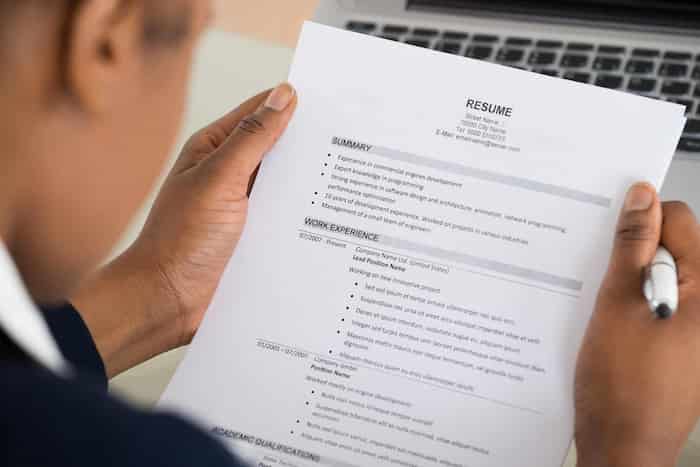
Most applicants send a basic two-pager with bullet points like “managed a team” or “organized events.” But MPP programs aren’t looking for corporate generalists — they want to see policy relevance, community impact, research depth, and analytical thinking. If you’re looking for actionable MPP resume tips, focus on highlighting skills like quantitative reasoning, stakeholder engagement, and policy analysis.
📌 Quick Tip: Admissions committees often review your resume right after reading your statement of purpose — and sometimes even before. If the two don’t reinforce each other? Red flag.
A generic resume won’t cut it for grad school! Grad programs expect a tailored, admissions-ready resume—don’t risk getting overlooked. Get The Ultimate Grad School Resume Blueprint (FREE) and make yours stand out!
What Makes a Great Statement of Purpose for MPP?
What Admissions Committees Want to See
It’s the first thing they read — and if it flops, they skim the rest.
A strong statement of purpose for MPP doesn’t just rehash your resume or declare your passion for public service. In other words, if the two don’t reinforce each other? Red flag. It builds a compelling case for:
- Your professional trajectory and the policy issues you care about
- Why an MPP is the strategic next step (not just a vague “I love helping people”)
- Why this specific school, faculty, or curriculum is aligned with your goals
The SOP Formula That Works
If you’re wondering what makes a good SOP for MPP, here’s the formula that works:
Clarity + Fit + Future Impact
That means:
- Clarity: A sharp intro with a clear career goal
- Fit: Specific program elements and how they serve your mission
- Impact: What you’ll do after the MPP — and why it matters
Most SOPs fail because they’re either too vague or too technical. The best ones speak the language of policy while staying human, reflective, and forward-looking. 🔍 Want expert eyes on your SOP before you submit? Most applicants don’t realize how much it matters — until it’s too late. Book a strategy consult today.
How to Boost Your Chances of Admission (Even If You’re Not a Traditional Applicant)
Worried you don’t have years of government or nonprofit experience? You’re not alone — and it’s not a dealbreaker.
Here’s how to increase your chances of MPP admission:
✅ Start With Real Research
Go beyond rankings. Attend events. Email current students. Learn what actually matters to each program.
✅ Customize Every Document
From your resume to your SOP, use their language. Refer to courses, centers, and faculty by name.
✅ Show Vision — Not Just Experience
They care where you’ve been, but they care more about where you’re going. Tie every experience to your policy goals.
✅ Get Strategic Feedback
For example, even a quick review by an admissions expert can surface blind spots and sharpen your story.
Further Reading
If you are comparing MPP programs, these guides will help you think more strategically about competitiveness, fit, essays, and the bigger Master’s admissions landscape.
- MPP Programs Guide
- The Complete Master’s Admissions Guide
- MPP Acceptance Rates: How Hard Is It to Get In?
For program choice, essays, and evaluating career fit:
Final Thoughts
If you’re applying to one of the best MPP programs, the bar is high — but not impossible. The real advantage? Applicants who show not just competence, but clarity and conviction.
The admissions process isn’t just about proving you’re qualified. It’s about showing the committee that your work matters — and that this degree is your next strategic step. If you’re still wondering how to get into MPP programs, the answer lies in clarity, strategy, and alignment — not just credentials.
